Why luck plays a role in casino success
The Nature of Luck in Gambling
Luck is often described as a force that brings good fortune, and in the world of casinos, it plays a critical role in determining outcomes. Every game, be it a slot machine or a roulette wheel, operates on principles of chance, where the outcome can be heavily influenced by luck. While skill and strategy can enhance a player’s experience and potentially their success, it is ultimately luck that dictates the randomness of results. For those interested in exploring more about this phenomenon, brighterlifehomes.co.uk provides insights that can deepen understanding, keeping players engaged and hopeful, making them return for more, despite the odds.
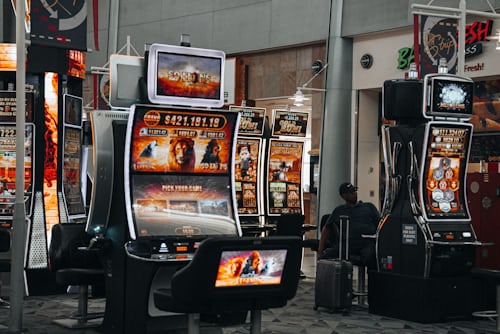
In casino games, luck is what creates the thrill and excitement. Players roll dice, draw cards, or spin wheels with the hope of hitting a winning combination. This randomness makes every moment in a casino unpredictable. For example, a player might wager a small amount on a slot machine and suddenly win a jackpot. This phenomenon showcases how luck can change a player’s fortunes in an instant, creating memorable experiences. Such moments drive the allure of casinos, where every visit promises a chance at the unexpected.
Moreover, luck is deeply engrained in the psychological aspect of gambling. Players often attribute their victories to good luck, which can enhance their confidence and lead to more significant risks. On the flip side, bad luck may deter players from returning or encourage them to chase losses, often leading to more gambling. This cyclical relationship between luck and player behavior shapes the broader landscape of casino success, highlighting how essential luck is not just in individual games but in the overall gambling experience.
The Role of Probability and Odds
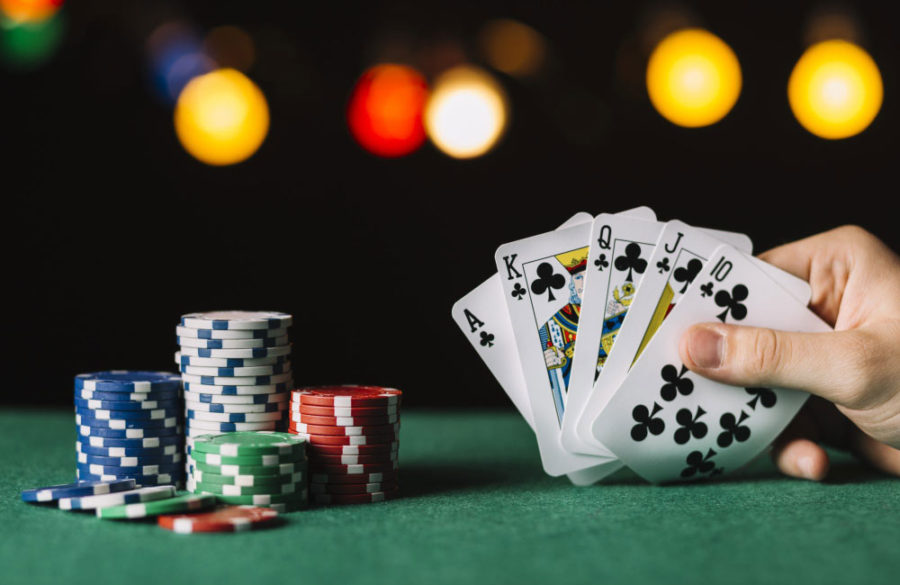
While luck plays a vital role, understanding the concepts of probability and odds is essential for casino success. Each game is designed with specific odds that determine the likelihood of various outcomes. For instance, in games like blackjack or poker, players can use strategies based on probabilities to minimize losses and maximize gains. However, even with perfect strategy, luck still intervenes, especially when it comes to drawing cards or the outcome of critical hands.
Certain games are inherently more favorable to players based on their odds. For example, the house edge in games such as baccarat is less than that of slot machines. This means that, statistically, players have a better chance of winning in baccarat over time. However, the randomness that comes with luck can still turn the tide in any game, leading to surprising wins or losses. Understanding odds adds a layer of strategy, but it is the luck factor that can ultimately determine who walks away with their pockets full.
Players who approach gambling with a combination of understanding odds and embracing luck are often the most successful. While some may rely solely on luck, those who leverage their knowledge of probabilities can make smarter decisions. This blend creates a more balanced approach to gambling. Festivals and events aimed at educating players about the dynamics of games can also enhance their understanding, enabling them to appreciate both luck and strategy’s roles in their gaming experiences.
The Impact of Superstitions and Beliefs
Superstitions play a fascinating role in how players perceive luck within casinos. Many gamblers have rituals, charms, or habits they believe will bring them good fortune. For instance, some players may always wear a specific item or follow a routine, thinking these actions will influence the luck of their gaming session. While these beliefs lack scientific backing, they significantly impact player behavior and experiences within casinos.
This psychological belief in luck often enhances a player’s engagement with the game. The feeling of having control over one’s destiny, even if rooted in superstition, can lead to a more enjoyable gambling experience. Casinos frequently capitalize on these beliefs by creating a vibrant atmosphere filled with symbols of luck, such as four-leaf clovers or lucky numbers, which resonate deeply with players. These elements blur the lines between chance and belief, further embedding luck into the fabric of the casino environment.
While superstitions may not alter the fundamental nature of luck, they can influence how players react in moments of triumph or disappointment. A player who wins might attribute their success to a lucky charm, while another who loses might feel the need to change their approach or shake off negativity. Understanding how beliefs around luck affect behavior is crucial for casinos seeking to enhance player satisfaction and loyalty, making it an integral part of the casino narrative.
Luck and Casino Marketing Strategies
Casinos often harness the concept of luck in their marketing strategies to attract and retain customers. Promotions that emphasize chance, such as lucky draws or spin-the-wheel events, create excitement around the notion of luck. These campaigns encourage players to engage with the casino, with the promise of winning big or experiencing a stroke of good fortune. The focus on luck can appeal to a broad audience, from casual gamblers to seasoned players looking for that one lucky break.
Marketing tactics may include creating narratives around big winners or featuring testimonials from satisfied patrons who enjoyed a lucky streak. These stories not only inspire others to try their luck but also build a community within the casino that cherishes shared experiences. Additionally, loyalty programs often reward players who return in pursuit of luck with bonuses and incentives, creating a cyclical relationship between luck and continued patronage.
Moreover, casinos can create an atmosphere of luck through design and ambiance, ensuring that players feel inclined to play. Bright lights, celebratory sounds, and energetic staff contribute to a lively environment where the luck factor prominently features in the overall gaming experience. Through these strategies, casinos can enhance the perception of luck as a crucial element, drawing in players who believe in the possibility of winning.
Summary and Conclusion about the Role of Luck in Casinos
In conclusion, luck is an undeniable factor in the world of casinos, shaping player experiences and outcomes across various games. While understanding probabilities and employing strategies can improve a player’s odds, luck remains the unpredictable force that can transform fortunes. This duality engages players emotionally and psychologically, making their experiences more dynamic and immersive.
Superstitions also add a layer of depth to the experience, providing players with a sense of control amid randomness. This interplay between belief and chance enhances the excitement of gambling, ensuring that players feel invested in their gaming sessions. The marketing strategies employed by casinos further capitalize on the allure of luck, fostering a vibrant environment where players feel motivated to partake in various games.
Ultimately, while skill and knowledge are important, embracing the element of luck is what makes the experience in a casino truly captivating. As players navigate through their gaming journeys, the thrill of potential success—heavily influenced by luck—will always be an integral part of the casino experience. Understanding this dynamic relationship enhances both player enjoyment and the overall appeal of casinos in the competitive gaming landscape.